

Director: Bart Simpson
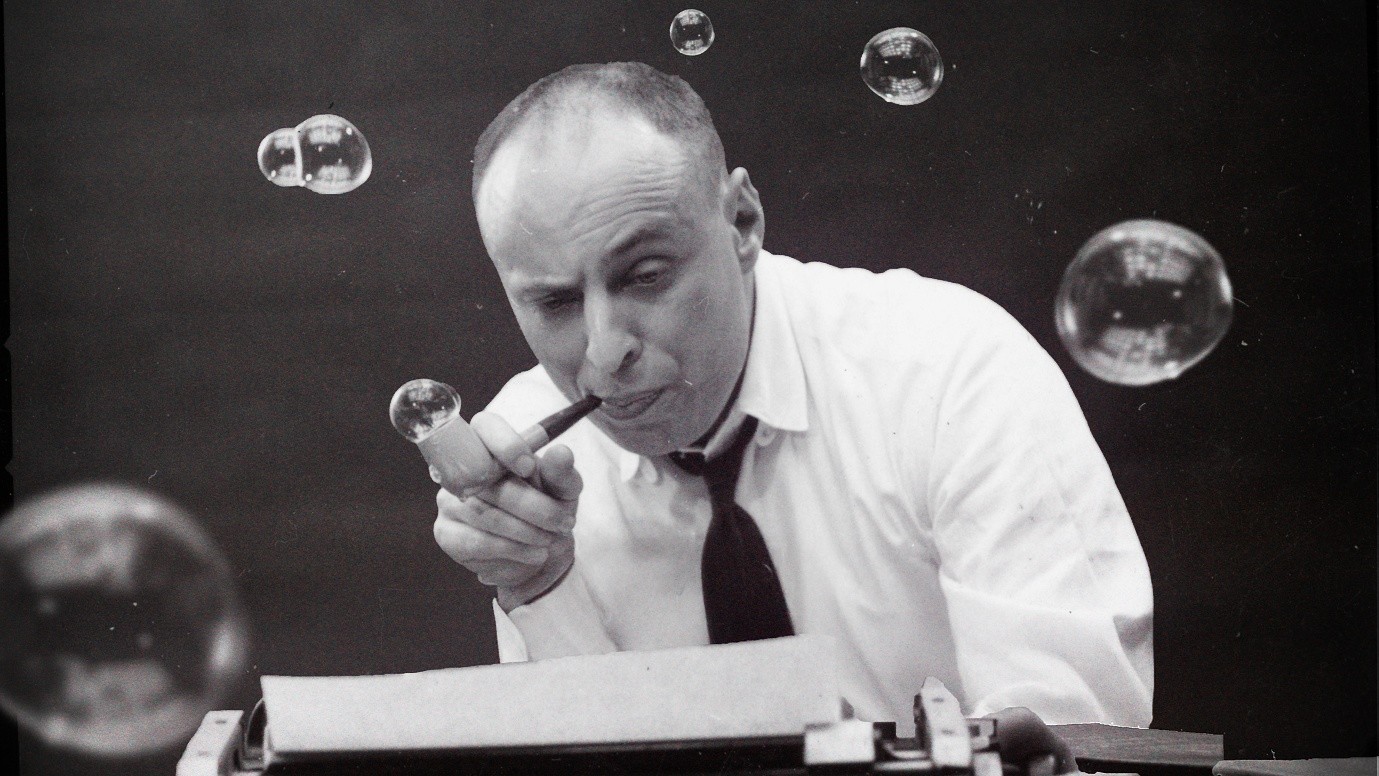
Harvey Kurtzman is possibly the most famous cartoonist UK audiences largely won’t have heard of, the founder and lead creator on a series of well-known American comics who gave plenty of recognisable names their start including Terry Gilliam and Crumb, while inspiring later satirists like Matt Groening. This very traditional biographical documentary screening at the Edinburgh International Film Festival looks ay Kurtzman’s life and legacy, arguing convincingly that the comic creator moved American satire from the grand political level to the detailed examination of everyday life.
This 90-minute film by director Bart Simpson is framed in the present day by interviews with Nellie, Kurtzman’s daughter who has become his literary executor. Through to camera interviews she discusses family life while also learning new things about her father’s work, seeing some of it for the first time. Her segment of the documentary sees her meeting fellow artists who hold some of Kurtzman’s work, readying it for deposit at Columbia University Library where Kurtzman’s archive is held. And this is all very straightforward.
But it could be more insightful, not just about the man himself but the impact of his work since. Nellie is asked to select some works to be saved, the rest of which the holder says he will “burn” and it’s not entirely clear he is joking. The documentary maker doesn’t intervene. Yet, in almost the same breath, the film shows Nellie’s surprise at the market for her father’s work, some of which have been sold online for hefty sums, so it would be useful to understand more about the process that family and colleagues were going through in this story to select works to be archived for research and why they would consider binning anything when both an academic and a commercial market clearly exists.
The remainder of the film explores Kurtzman’s work through the failing magazine industry and eventually to prison-like success writing a saucy heroine for Hugh Heffner under the Playboy banner. There is a lot of interesting context here about the nature of US day-to-day life mocked and celebrated through the cartoons and, beyond the difficulty of the comics industry, international audiences might appreciate a bit more insight into how US life changed in this era to make sense of it, its similarities to others countries in the sex-power-family life dynamic that Kurtzman created for this work. Likewise, the writing of Little Annie Fanny for Heffner seems to become a burden, done for a regular wage, but how does this affect Kurtzman’s legacy and was there ever a moral dilemma about working for a pornographer for an artist like Kurtzman?
The cartoonist’s influence is clear and maybe all of this is known to US audiences, but internationally this sketch of the artist only raises more questions.
The Mad World of Harvey Kurtzman is screening at the Edinburgh International Film Festival.
