

Writer: Rae Mainwaring (original creator: Omar Khan)
Director: Andrew Breakwell
“Grief is like a fart; it’ll escape in the end”: one of the many humorous but pointed insights from A Beginner’s Guide to Widowhood, a thoughtful insight into the immediate death of a partner as the world moves on but nothing is quite the same. Written by Rae Mainwaring from an original concept by Omar Khan, this 60-minute monologue looks at the process, expression and expectations of grief from the inside and the outside. And based on real experience, it certainly has a raw authenticity even if it could work harder as a theatrical piece.
Clutching a sentimental 20-year-old guidebook, Suria heads to Türkiye with her older teenage children just three months after husband Dan dies. From navigating the pitying looks she gets on the plane to the interference of strangers who think she is lonely, Suria struggles to find the space she needs to grieve amidst all the noise but also to celebrate the man she knew.
Mainwaring’s piece is written like a stream-of-consciousness, telling the story from Suria’s perspective throughout her few days away. It becomes an ongoing reflection of the things she is thinking about at any given moment, fading in and out of her immediate reality as adjacent thoughts and as tangential memories of her life with Dan break through at different times. These build a sense of confinement through the narrative as the character is increasingly called upon to push her own needs down to support her children or meet the expectations of others, including the well-meaning but intrusive male stranger who latches onto her visiting a church, assuming she needs companionship – a subtle but very familiar experience for any woman who has spent time alone anywhere.
The writing in A Beginner’s Guide to Widowhood manages to be both very funny and often very poignant, and Suria is caught off guard when hearing an 80s pop song blaring from a café, noting it incites “the violence of a memory I had not time to prepare for.” Each scenario is vivid as the family go to bars and lie on the beach, feeling their detachment from the happiness of the tourists around them, “like watching someone else’s promotional video,” Suria notes. But the humour is also relatable, including the moment two bored teenagers track their mum’s phone without ever leaving the pool because they can’t be bothered to go sightseeing with her. This balance of the true and the emotional is well controlled.
But to enhance its theatricality, the piece needs to flesh out the other characters, helping the audience learn more about Suria, her life and the sudden change in circumstances through building up the people she knows. Her children are largely sketches, bundles of sullen traits, but don’t quite feel fully rounded or different from one another, while the impact of her absent husband Dan is referenced often, but the audience also needs to know him better, understand who he was and the hole he leaves in their lives. There’s also far greater mileage in the character of Annie, an anecdote at present who becomes a trigger for Suria’s release but could be painted more boldly.
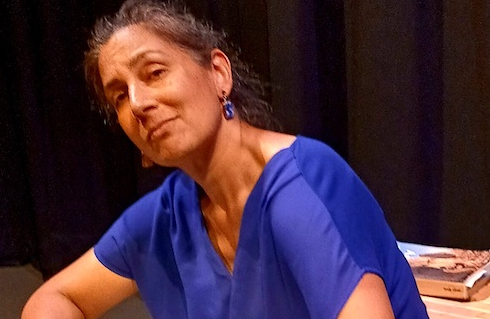
Performed by Liz Jadav, there is a lovely warmth to Suria that draws the audience in, understanding her loneliness but also seeing the strength that will support her family through a series of meaningful reflections on the process of losing a loved one, the language of grief and making space for her own response.
Runs until 5 September 2026
