

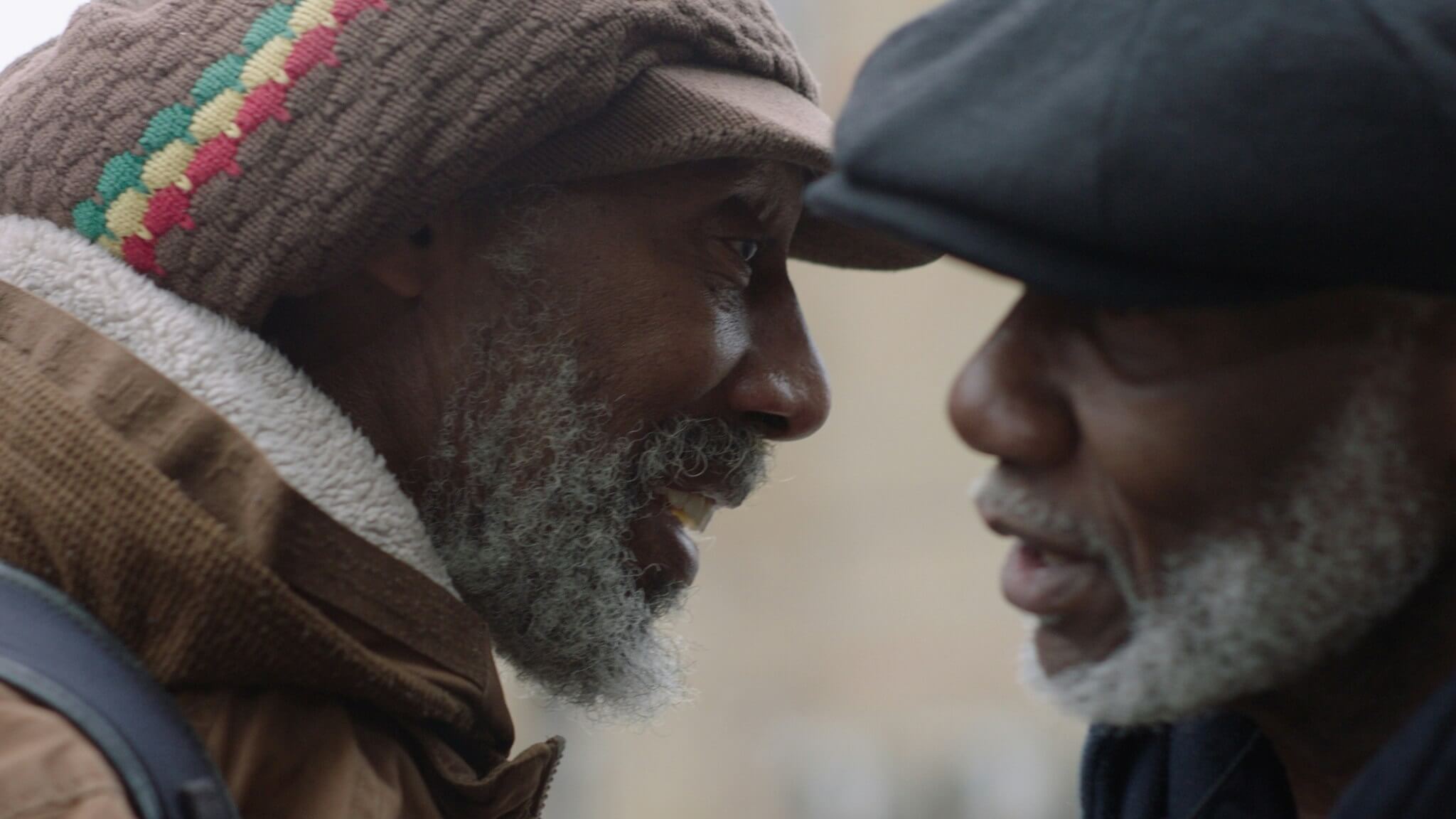
Director: Mark Warmington
So life-affirming is this documentary about Cimarons, the first British Reggae band, that it’s hard to do justice to it through words. There needs to be a beat, solid, steadily rocking, and perhaps the smell of weed to really capture the journey that the band have been on, and, for some of the surviving members, a journey that is yet to reach its end. It’s a long voyage that reaches as far as Jamaica (naturally) but also, surprisingly, to Japan and Ireland. We can only hope that the band never reaches its final destination.
Cimarons formed in the late 60s in London’s Harlesden, one of the capital’s most diverse neighbourhoods of the period. A few young men started making music at a local youth club, learning the trade as they went along. With three record stores specialising in Reggae and Rocksteady nearby, Cimarons, their name inspired by the Western TV show with nearly the same title, were influenced by the new sounds coming out of Jamaica.
They were a success and even had a number-one hit in Jamaica, albeit with a Bob Marley song. They travelled there, of course, but toured West Africa and Japan too. They particularly resonated with the Irish youth of the 1970s, they, too, struggling with the legacies of British colonisation. Cimarons played rebel songs in the rebel county of Cork with the song Ship Ahoy, about the transatlantic slave trade, going down a storm.
But back in Britain, the band never received the recognition they deserved. Too often, their contributions to the music scene were as backing musicians for solo stars such as Ken Boothe on their mutual label, Trojan Records, and they weren’t credited on the discs even though fans could still spot the idiosyncratic beats of Maurice Ellis’s drums and the styling of Locksley Gichie’s guitar.
But in 1978, the same year as the Rock Against Racism concert in Victoria Park, a movement responding to Eric Clapton’s racist rant two years earlier, the band’s future seemed bright when they signed to Polydor. With Bob Marley considered the bona fide Reggae star, and with bands not hailing from Jamaica regarded as Reggae-lite, Cimarons changed their style a little, bringing in influences of rock from the likes of Fleetwood Mac and T-Rex. The Harlesden band pioneered their own sound.
Meeting Paul and Linda McCartney, however, led to the band’s demise. The super couple encouraged them to record a covers album where songs such as The Beatles’ Love Me Do were given a Reggae beat. Cimarons’ version of Mull of Kintyre, an awful song to begin with, is the nadir in the Reggae band’s career. Lead singer Winston ‘Reedy’ Reid soon quit, and the band dissolved.
This history is completed within the hour of Mark Warmington’s finely-made documentary, which had a limited cinema release earlier this year. The final 40 minutes is devoted to the band’s comeback of the last few years, recruiting the gentle Michael Arkk, who’d never heard of Cimarons before his audition. Along with original members Gichie and bassist Franklyn Dunn, the band now tours and records. Sadly, drummer Maurice Ellis died before they started performing again. His death deeply affected the band, and their tears and tributes are upsetting to watch. But the show must go on and Harder Than The Rock charts, perhaps, the greatest comeback of all time.
Harder Than The Rockis in UK Cinemas from 3rd October.
https://www.youtube.com/watch?v=fAEsUubCuZE&t=1s
