

Director: Sadie Frost
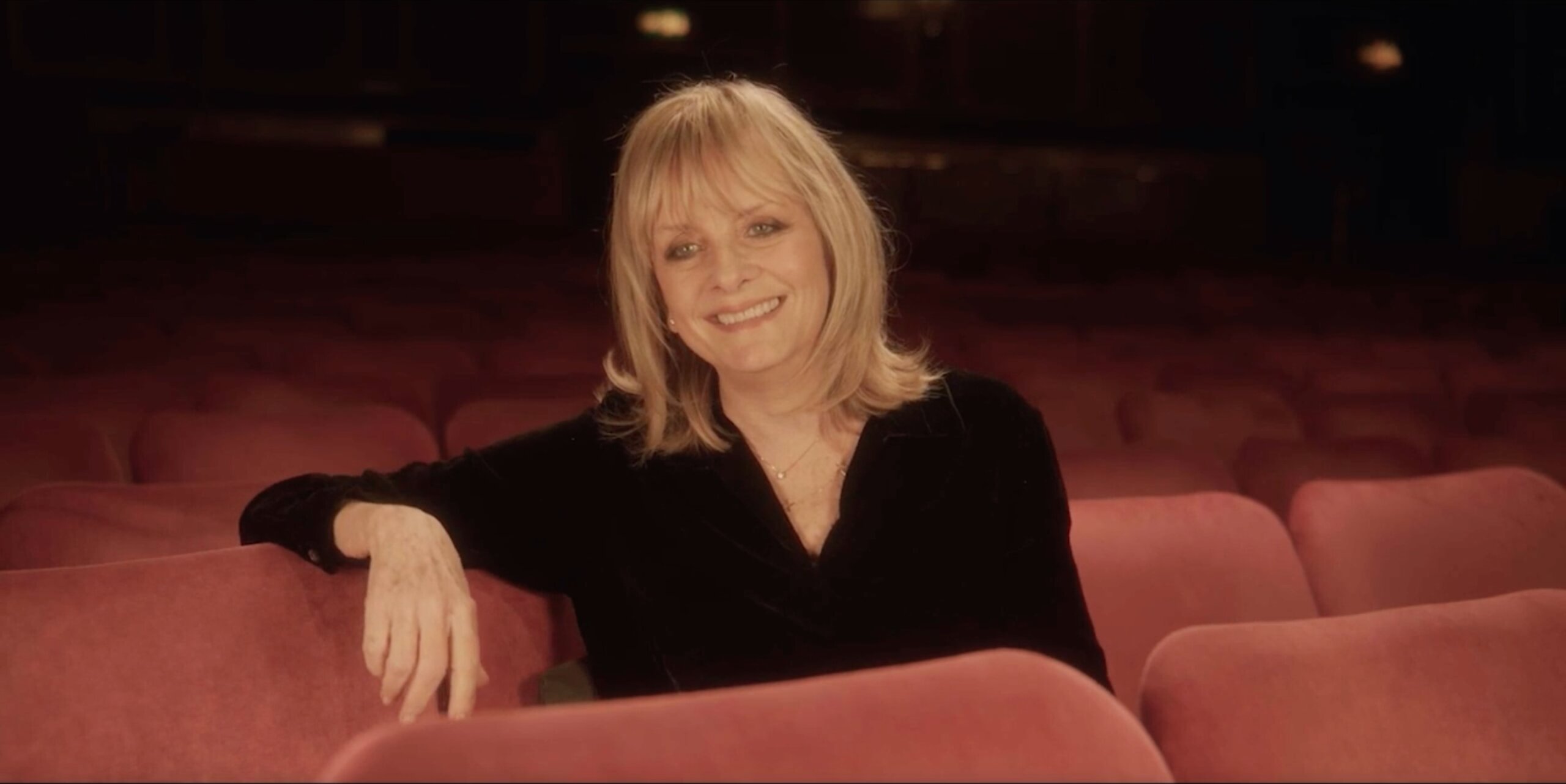
Twiggy will always be known as the Face of ’66, the same year that TIME magazine declared London the Swinging City. By 1967, she had conquered the world. Her boyish looks, slim body and big eyelashes defined a generation, but, as Sadie Frost’s detailed documentary demonstrates, Twiggy’s legacy runs deeper into our culture than miniskirts.
In an age when models were expected to come from the upper classes and be buxom and solemn, Twiggy couldn’t be more different. She smiled for a start, and her youthful, raucous laugh was a breath of fresh air in a world of finishing schools and etiquette classes. Teenage Mod girls couldn’t get enough of her, and, like them, she was working-class when working-class people were all the rage.
Indeed, it’s the aspect of meritocracy that forms the main narrative of Piri Halasz’s now-famous TIME article. Working-class actors and photographers like Michael Caine and David Bailey were in hot demand while the Royal Court put on plays like Look Back in Anger in which working-class characters shocked bourgeois audiences. Halasz even refers to the middle-class prime minister as ‘good old ’Arold’. Of course, the TIME journalist has since been criticised for her myth-making. Most working-class people never found success in the 1960s, and Caine later remarked that the 60s only swung for 200 or so Londoners.
But there’s no denying that Twiggy rose to fame because of her working-class background rather than despite it. Not everyone embraced this idea of social mobility, including a young Woody Allen, who, in a rarely seen clip, quizzes Twiggy on her favourite philosophers. Fortunately, and to the delight of the world premiere audience at the BFI London Film Festival, Twiggy gets the better of him. Only once do we see her phased by her celebrity; worried for her safety, she bursts into tears at a photoshoot outside a New York department store where hoards of fans have congregated to catch a glimpse of the London supermodel.
As a very funny Joanna Lumley discloses, models had a much harder job than they do now. There were no stylists or makeup artists, and models did their own hair, too, travelling to the shoot on the tube, a rack of rollers half-hidden underneath their headscarves. Twiggy was unique in that she never went to the shoots alone; her manager came, too. Justin de Villeneuve was also her boyfriend. Theirs was a complex relationship, and in their many TV interviews, he would do the talking for her. Looking back, Twiggy felt infantilised.
It’s not until she meets Michael Witney on a film set, after the success of Ken Russell’s The Boyfriend, that she gains some independence and is freer to make her own choices. Twiggy’s film and music careers are usually treated as footnotes in her biography, but here Frost is keen to make the point that Twiggy is a good singer, even though her country twang was more marketable to Americans than British audiences. Still, we forget that Twiggy performed sell-out tours in the 70s.
Everything is here in this documentary: her occasional forays back into modelling and even her Marks and Spencer’s campaign, wonderfully referred to as the day Twiggy saved M&S. Alas, it does get a bit mushy towards the end and more distance is required between Frost and her subject. However, as in her previous film Quant, Frost has certainly captured the spirit of the 60s, and we can only hope for more films charting the lives of Twiggy’s fellow travellers, such as Caine or Bailey.
The Swinging 60s – myth or not – seem like such a joyful time of freedom and opportunity, and Frost saves her most poignant clip until the end, in the middle of the credits. It’s just Twiggy dancing alone in a studio, full of life, full of promise.
Twiggy is screening at the BFI London Film Festival 2024.
