

Writer: Micheál Mac Liammóir
Director: Michael Fentiman
Originally performed by the writer himself, Micheál Mac Liammóir, in 1960 – a time when the actions of “gross indecency” for which Oscar Wilde was convicted in 1895 were still very much considered criminal – actor Alastair Whatley and director Michael Fentiman have collaborated to make this twenty-first century rendition of The Importance of Being Oscar feel as relevant as perhaps it ever could. Themes of identity, the pursuit of fame, and the balance of truth and justice certainly left the vapour of their breath upon a mirror facing out at aspects of today’s sociopolitical landscape.
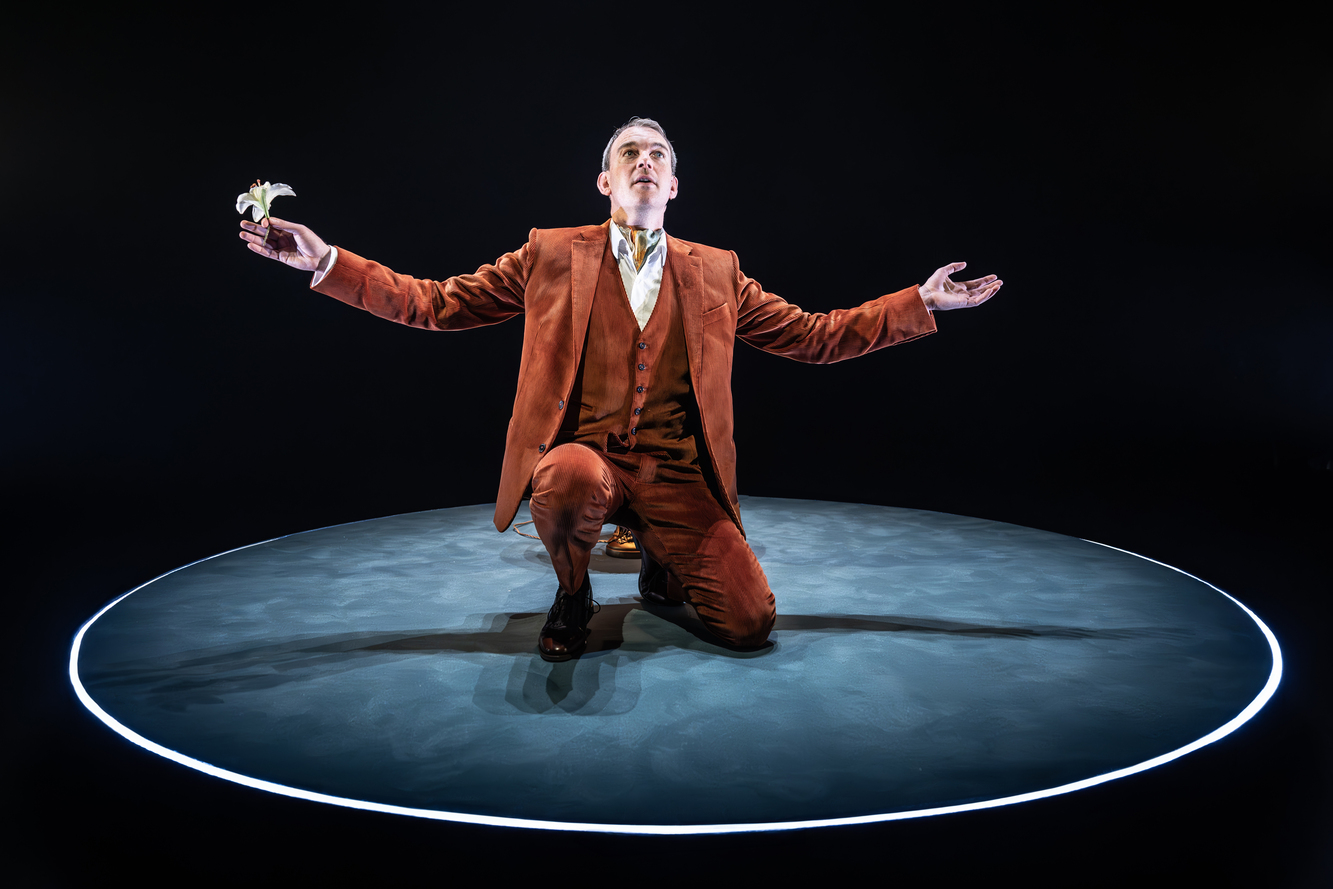
It is evident from introduction to poignant end in this production that Whatley has entirely immersed himself in the wild world of Wilde. The sole presence on stage throughout, he effortlessly moves from narrator to character to character, often with nothing more than the smallest turn of his head. Naturally we see a lot of the titular tragic genius, but we also meet people from his life and his work. Some are allies, some are not, but each is realised fully and serves their purpose to explore the complexities of Wilde’s life and lifestyle.
There is no denying that The Importance of Being Oscar is very much a love letter to Wilde – his life, his work, his wit. All of these shine through in Mac Liammóir’s sublime writing. But there must equally be no denying the work put in by Whatley, guided by Fentiman, to ensure that his performance is exactly that – his. With a piece written by someone to be performed themselves it is no mean feat to be able to strip away any residue left by the originator. Yet if you were told that this staging had been newly conceived, written, and produced within recent months you would well believe it.
Whatley delivers his performance with consideration and control, never erring toward exaggeration or stereotype. His mastery of the Wildean language – which Mac Liammór has emulated somewhat in the narration – is breathtaking, guiding the audience effortlessly between facts and witticisms, all with a subtle theatricality of which Wilde himself would certainly approve and an intimacy that holds the audience on its collective breath.
The minimalist set design (Madeleine Girling) with incorporated lighting (Chris Davey) work beautifully in supporting Whatley’s storytelling, switching focus seamlessly as he moves about the stage and creating subtlety or drama as required. This is especially effective when the audience is treated to a dramatic excerpt from The Ballad of Reading Gaol near the end of Act 2.
As Wilde himself said: “If it is worth experiencing, it is worth putting time aside for.” So put aside time to see this.
Runs until 16 July 2026
The Reviews Hub Star Rating
-
9
