

Composers: Vaughan Williams and Jean Sibelius
Conductor: Mark Elder
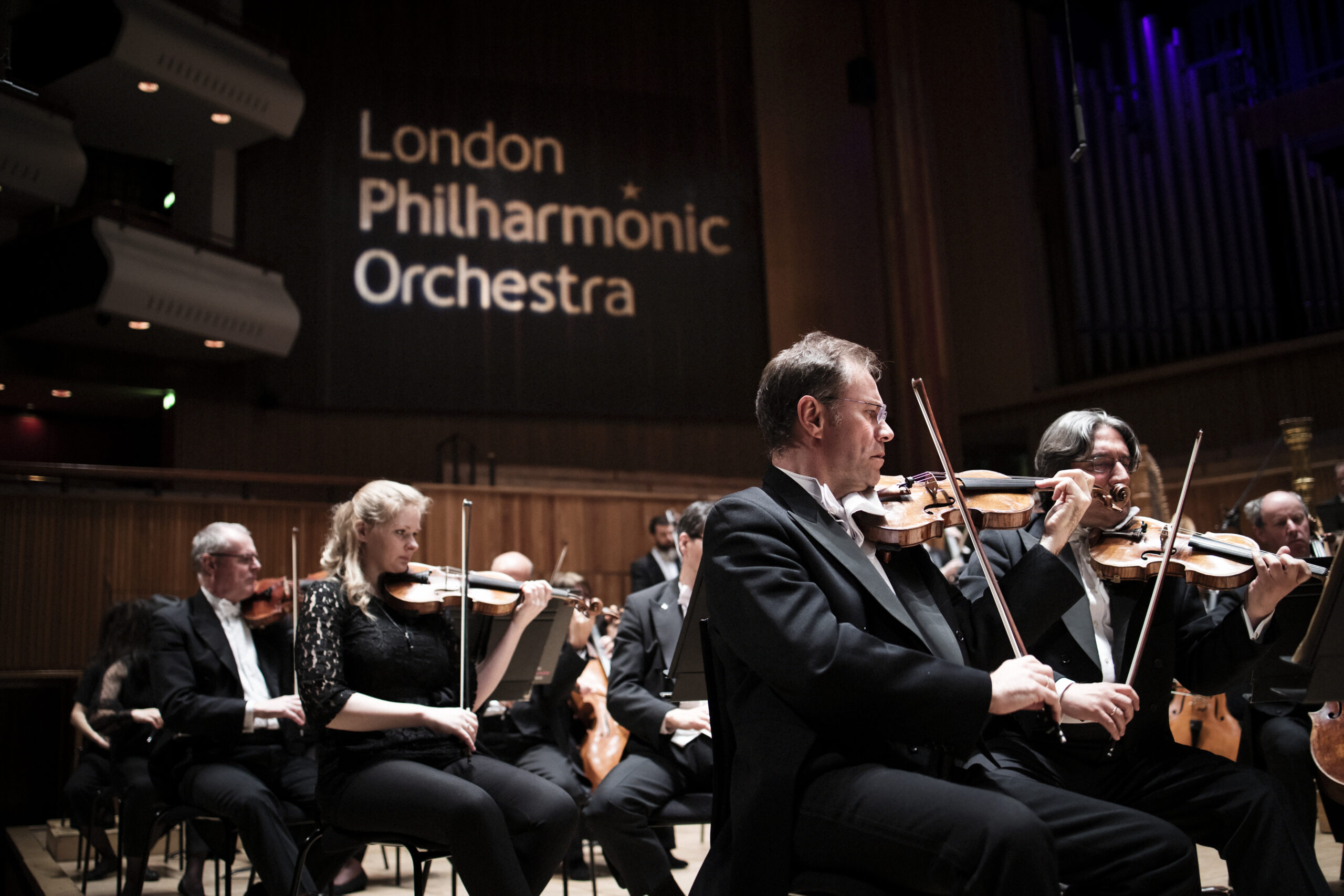
An uplifting ocean-themed concert forms part of the London Philharmonic Orchestra’s 2025-2026 season, which explores ideas of harmony with nature. The season’s message is clear and crucial, highlighting the importance of “protecting the planet at a time when the climate crisis has never felt more urgent.” At a pre-concert talk, biologist Liz Bonnin and oceanographer Helen Czerski discuss the need to understand the oceans and to think about humanity’s impact on the environment.
Music by the Finnish composer Jean Sibelius and the English Ralph Vaughan Williams evokes Earth’s vital, threatened oceans in all their beauty and power. The programme opens with pieces by Sibelius, including his 1914 work The Oceanides. Quiet violins and a gently thunderous growl of timpani mix with woodwind melodies that conjure calling gulls and diving gannets. The brass and string sections and a pair of harps create lyrical, billowing swells of sound like waves rising and falling.
The second half consists of Vaughan Williams’s A Sea Symphony, written in 1903-09 for a large orchestra, including harps, bassoons, trombones, an organ, and a huge choir plus soloists. There are hundreds of people on stage. Conductor Mark Elder, who was Music Director of the Hallé orchestra in Manchester from 2000 until 2024, commands the huge array of singers and musicians with charm and subtle potency. He often ends movements with a flourish like a wizard casting a spell. Running over an hour, A Sea Symphony is Vaughan Williams’s longest symphony and was an innovative piece of music, being one of the first symphonies to use a chorus all the way through.
South African Soprano Masabane Cecilia Rangwanasha is mesmerising. Her voice floats above the noise of the full orchestra and choir, a seabird floating above stormy waters. The moments when she holds the highest notes and all other sounds stop have a sense of weightlessness or of falling through space. And then the orchestra returns and the cymbals clash with the percussive shock of surf on shingle.
The words for A Sea Symphony come from the radical 1855 collection of humanist nature poetry, Leaves of Grass, by the American poet Walt Whitman. In the first movement, “A Song for All Seas, All Ships”, he opens with an order “, Behold, the sea itself” and directs us to see ships as “their white sails, bellying in the wind, speckle the green and blue…” The second movement, “On the Beach at Night, Alone”, is a soft and meditative section, mostly sung by baritone David Stout (also excellent) and the chorus. The choir sings throughout with great freshness and precision.
The Scherzo is a choral and musical description of “Waves, undulating waves, liquid, uneven, emulous waves”. A long finale, “The Explorers”, brings everyone in again and builds to a climax where different parts of the orchestra seem to catch fire in turn before fading into the final lines: “Oh farther, farther, farther sail” as the double basses sound their visceral lowest strings and the violins gasp a high note in response. It’s wonderfully moving.
The London Philharmonic Orchestra and Choir have achieved something remarkable. This is an evening of extraordinary music. It’s also a commendable attempt to find new ways of looking at the natural world, linking the power of art with the need for action.
Reviewed on 31 October 2025
