

Writer and Director: Robbie C. Williamson
God Teeth, written and directed by Robbie C. Williamson, is structured around a gimmick or, if you’re being polite, an experiment. Rather than film a script Williamson builds the story around video salvaged from the internet, there is no original footage in the entire film. Inevitably this leads to some contrivances. One wonders if the intention behind making one of characters a footballer is to exploit the ample internet footage of fans in stadia and the phrase ‘’My life passed before my eyes’’ feels like an excuse to employ the odds and ends of footage that would otherwise have been wasted.
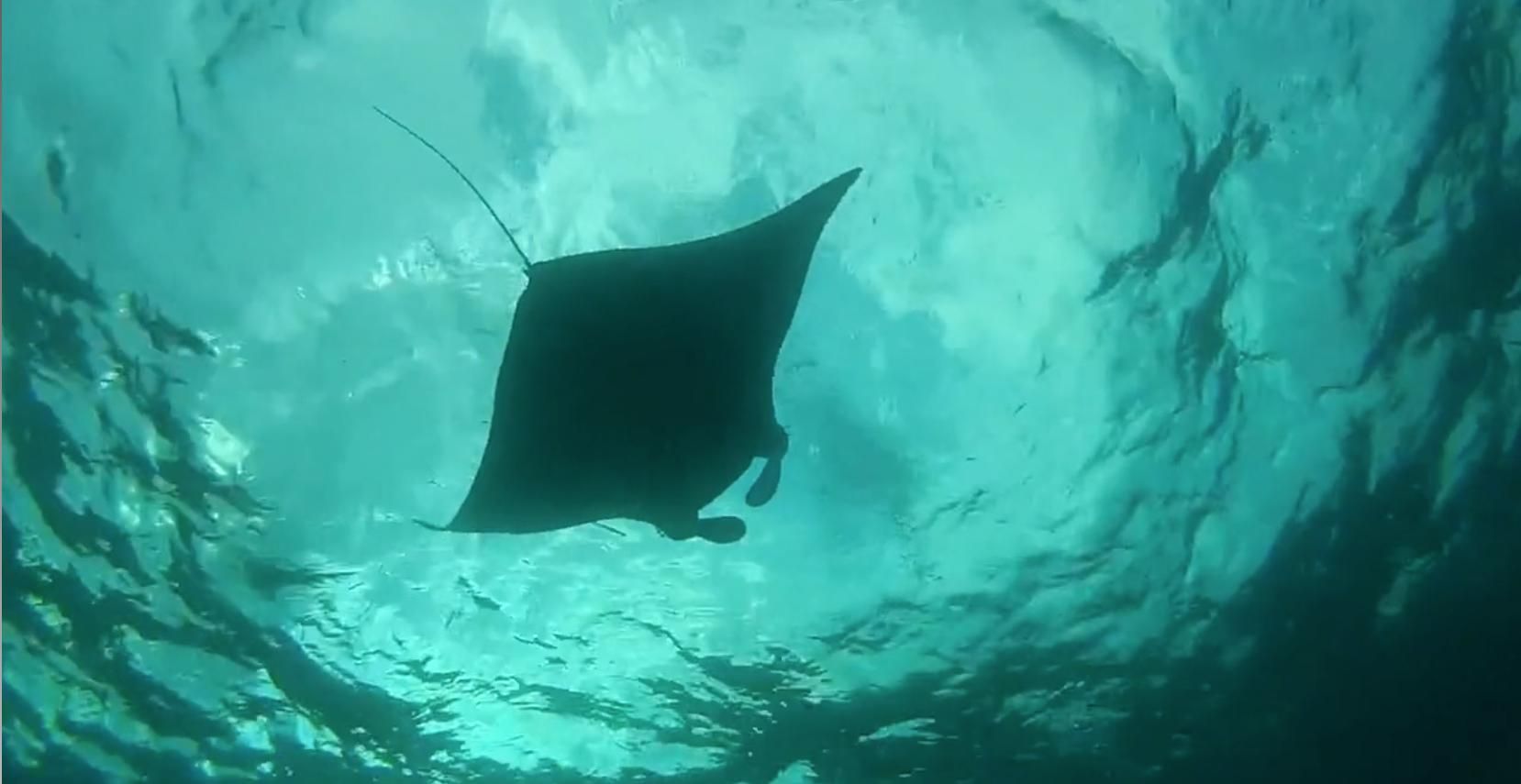
An abandoned ship without a captain or crew sails through the afterlife. The passengers are four recently deceased souls who are compelled to recount the circumstances which led to their untimely deaths. This will, they hope, help them avoid purgatory (atmospherically depicted in the film as barnacle-encrusted bodies frozen under the sea). But the journey becomes hazardous as stingrays feed on the passenger memories and endeavour to capsize the ship.
Themes of the film may be the arbitrary nature of life and its heart-breaking, even ridiculous, fragility. Albert, whose carelessness led to the death of his brother, moves to Hong Kong and raises a family before meeting his own end. Youngster, Boom convinces herself her missing father is a superhero combatting dragons and dies by holding her breath too long while emulating his profession as a deep sea worker. Campbell, despite being delighted with his family, dies after over- exercising while climbing a 10,000-foot pole in an effort to send a signal to God. Rose, an ambitious sports agent is devoured by a polar bear (no, really) having lost faith in her footballer husband and travelled to meet a witch.
God Teeth is not a logical film. At one point Campbell realises the ship has been cracked, and is likely to sink, due to the passengers whistling. Why whistling should have this effect and Campbell is the only person to notice is never clarified.
The film is broken up into chapters featuring each story separately and there is no interaction between the characters. There is limited dialogue, the story is told largely by voiceovers, often in an exaggerated manner- Campbell insists on referring to himself in the third person. Footage of a young swimmer and a motorcyclist allows Boom and Albert to appear onscreen otherwise the characters are heard rather than seen.
The found footage illustrates the scenes described by the characters literally or symbolically. Campbell’s report of his daughter’s delight at the news she is to become an older sister is matched with extended footage of a child’s joyful reaction to such news. Albert’s description of the seductive nature of Hong Kong is accompanied by ravishing night-time cityscape images. Rose’s journey is, however, more symbolic with extensive footage of vehicles struggling through massive snowstorms or howling winds. The footage makes a reality of Boom’s imaginings of her father posing heroically and being harried by dragons.
Director Williamson faces a number of challenges with God Teeth. The short story format makes the film episodic and hinders concentration. The use of voiceovers instead of actors speaking dialogue and the physical absence of the characters has an alienating effect; the viewer is told about plot developments rather than allowed to see them happen. The filming technique pushes the viewer away from simply enjoying the film towards analysis- constantly assessing whether the footage chosen works as a storytelling method instead of following the plot. As a result, God Teeth feels more like an interesting experiment in filmmaking than an entertaining movie.
God Teeth is screening at the Raindance Film Festival from 18-27 June.
