

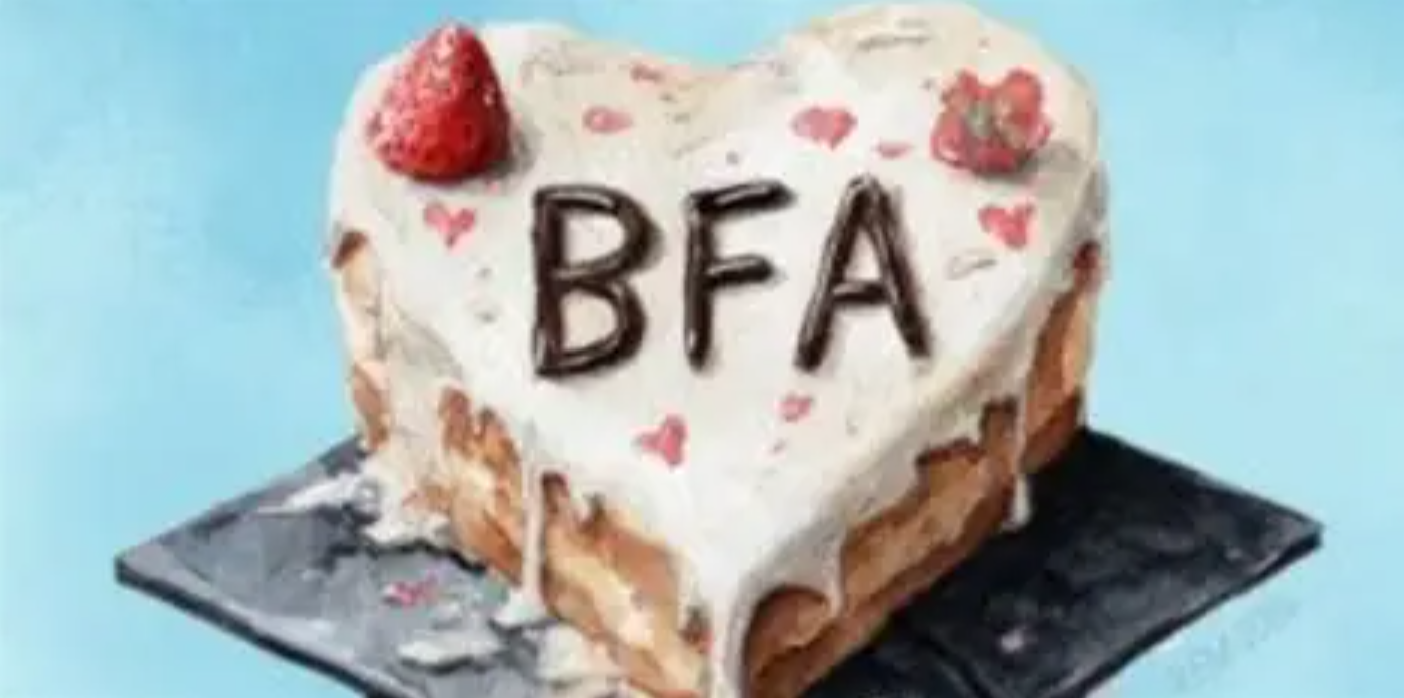
Writer: Riley Elton McCarthy and Hope Johansen
Director: Riley Elton McCarthy and Hope Johansen
They say you should write what you know. Johansen and McCarthy certainly did, probing the depths of their recent biographies as undergrads in an elite New York City drama school to bring to the stage what appears to be an almost verbatim rendition of their lived experiences. But that fidelity is a double-edged sword: the plot, involving a classmate who’s now behind bars, feels more like a memoir than drama. The writers turned their setting to their advantage: not only is the action staged in an educational institution, but the building has a direct view of Rikers Island, which becomes something of a metaphor for the dark undercurrents that continue to sweep the American educational system in the form of harassment, abuse, and worse. Unfortunately, however, the premise remains just that: a motive for the retelling of a story in past tense rather than the opportunity for a dramatic rollercoaster of sexual misadventures, hope, disappointment, and, in the end, personal tragedy, all of which we witness in something of a confusing whirl in just under one hour.
This is not, however, to diminish the performers’ achievements. As writers, Hope Johansen and Riley McCarthy show courage, optimism, and incredible energy; as actors they traverse a wide emotional terrain—satire, black humour, drama, and musical theatre—with considerable skill (and a couple of noteworthy singing voices). Yet, the show feels like it hides a tragic core under its veneer of humour. While the performers tried to sell their piece as a musical (“musicals sell better at the Fringe,” they heard), and veered off into versatile satire (they both do memorable impersonations of Professor Wanka and their classmate nicknamed the Red Menace), the dark underbelly of the narrative more often than not obscures its satirical sections. Paradoxically, however, this is more of an asset than a liability. With some expert alterations, the plot could easily make the centrepiece of a realist film script, where Hope’s classical beauty and energetic shenanigans would play off Riley’s nonchalant quirkiness to great effect.
What is this show about, ultimately? I think that, aside from the systemic hopelessness it narrates well, it is about retelling the inherent disappointments of young adulthood. Though a little fixated on the negatives, Hope and Riley’s stage personae manage to put an optimistic twist on their experience. Nowhere is this more evident than in their direct addresses to the audience. Hope’s moment is the most touching, as she reveals her naïve ingénue persona while declaring her undying optimism for anything that life has to offer, all while sporting a T-shirt that reads “gullible”—a touch that underscores her raw honesty.
This sincerity is even more powerful in the show’s finale, when both performers successfully synthetize their experience into a resonant confession: beyond the disappointment and abuse ingrained in their anti-establishment anger lies a simple truth: that they “majored in men and minored in truth.” If the show has a message, this is it. And it is delivered with a force and courage that only a college grad sensitive and open enough to the brutal ups and downs of early adulthood could summon.
Runs until 29 August | Image: Contributed
