

Director: Jeffrey Schwarz
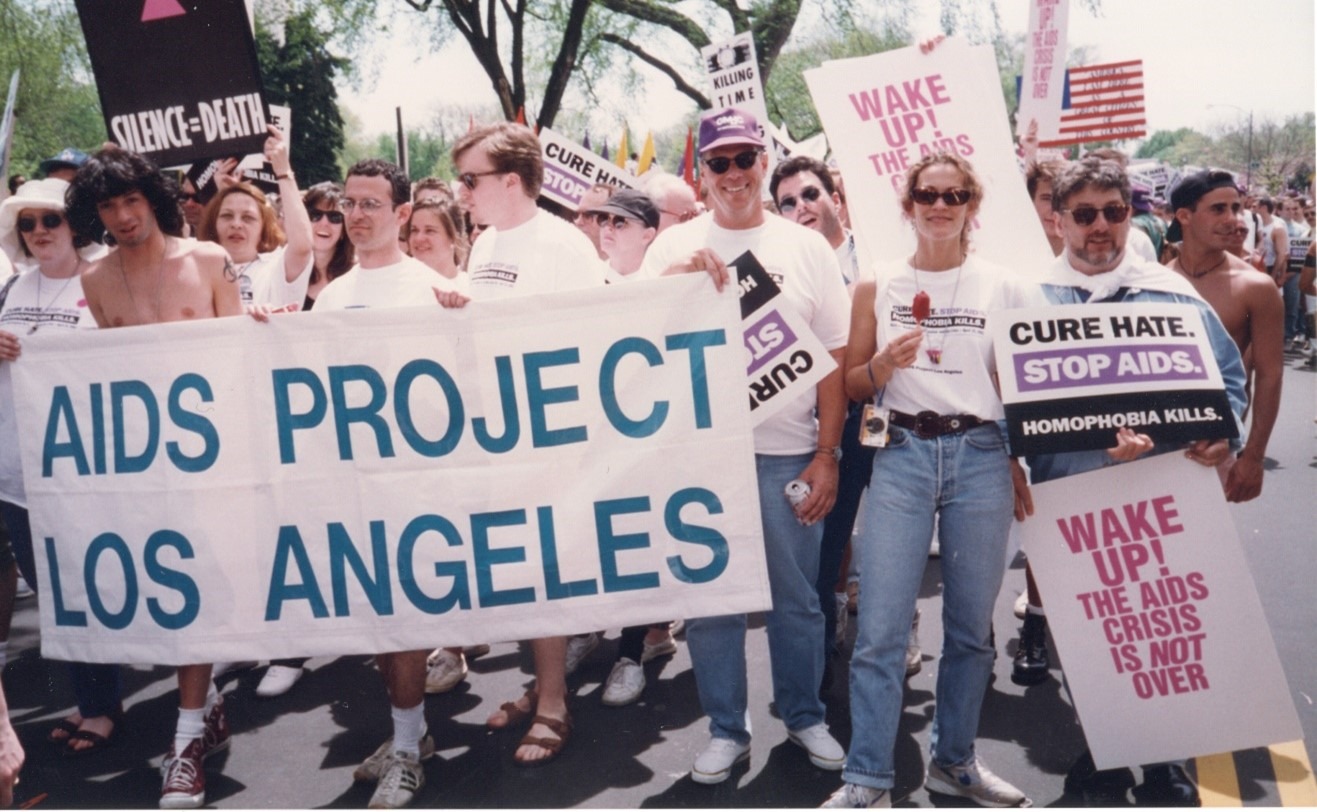
“Cocktails and funerals,” Stephen Bennett recalls the hardest days of the AIDS epidemic when the former Director of the AIDS Project Los Angeles (APLA) was trying to fundraise in Hollywood while giving day-to-day support to the sufferers and their families when everyone else was turning their back. Jeffrey Schwarz Commitment to Life, screening at BFI Flare, is a sprawling but effective film documenting more than 40-years of activism, research and changing attitudes, telling the story of a disease through the rarely heard experiences of the LA gay community.
While there have been many cultural representations of the AIDS epidemic in New York and San Franscisco, Schwarz’s film moves those narratives to LA, a place with a diverse population that includes enormous hierarchies of wealth as well as an ethnically diverse population, giving Commitment to Life several dimensions to explore. Chronologically charting America’s experience of and response to the disease, Schwarz continually returns to the disproportionate effects on Black and Latino men, the individual memories of nursing partners and friends in their dying days and the many campaigns designed to overcome ignorance and hatred, all the while arguing that as a city, LA’s response has been both unique and transformative.
Much of that relies on the star power recorded in the film and the Commitment to Life gala nights that ran for decades and attracted some of the biggest names in Hollywood, not least Elizabeth Taylor whose campaigning and speechmaking features several times as part of Schwarz’s argument about the education that came through this exposure. Where Taylor led, the film suggests, others followed with a raft of famous faces from Madonna and Whitney Houston to Whoopi Goldberg and Tom Cruise attending these events. Schwarz also makes the case for government policy eventually responding to this celebrity focus with the dismissive regimes of Ronald Regan and George Bush giving way to the more supportive era of Bill Clinton and then Barrack Obama – notably, Schwarz implies it is Tom Hanks’ role in Philadelphia around the same time that Clinton is elected that accelerates this support.
Other strands of the film focus on grassroots activism including the work of the APLA first in AIDS Walk Los Angeles that created a space for peaceable public protest, through the presentation of the giant quilt naming everyone who had died laid out in Washington, and to the foundation of the APLA Health Centres that provide support for those without insurance and on the lowest incomes in LA to access treatment. Throughout Commitment to Life, this public information strand continually wants to educate the audience, to ensure that guidance on safe sexual practice, preventative treatments and how to manage HIV and AIDS in the twenty-first century are communicated to the next generation of LGTBQIA+ communities along with the history and sacrifices of those who went before.
This broad history of AIDS, the developing experience of living and dying, its media and public profile as well as the changing attitudes and treatments makes Commitment to Life repetitive, veering between personal stories, medical explanations, APLA fundraising and celebrity repeatedly rather than tackling each strand thematically. But with a series of valuable talking heads who campaigned, cared for each other and provided safe spaces the cumulative impact of Schwarz’s film probably should be overwhelming because there is still so much more to do.
Commitment to Life is screening at BFI Flare 2024 from 13-24 March.
