

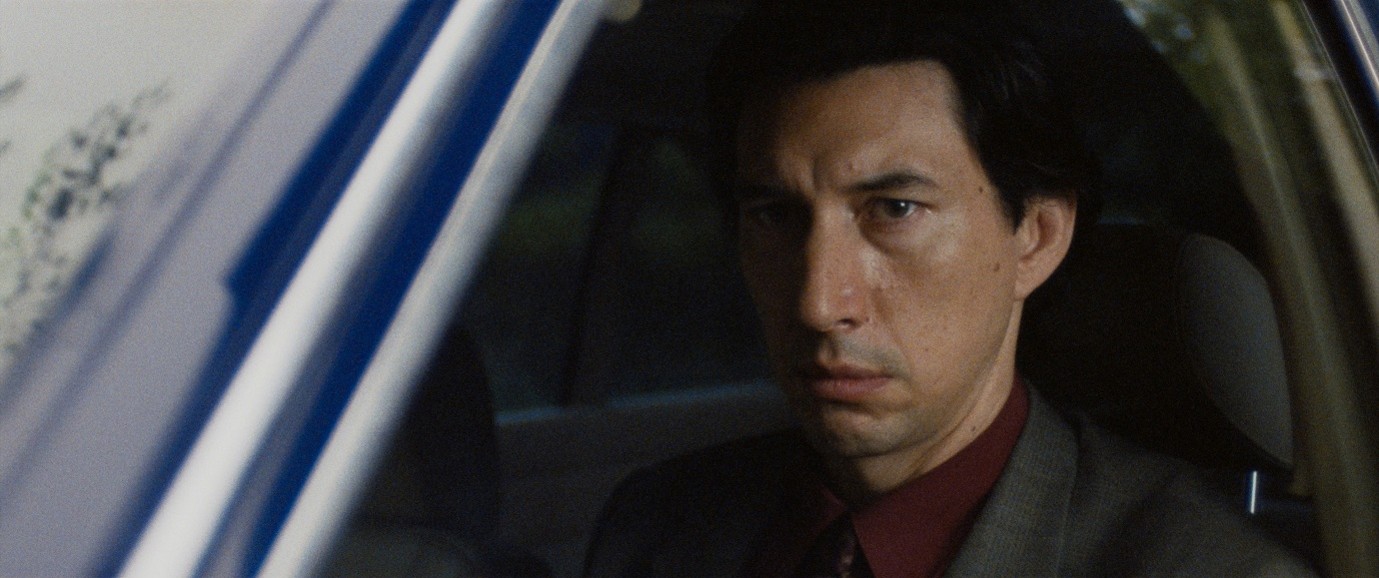
Writer and Director: James Gray
Two brothers find themselves out of their depth with the Russian mob in James Gray’s new drama about family and state corruption in 1980s America. Creating a more serious tone that similar films about the businessmen who flirt with illegal activity, Paper Tiger examines the changing nature of crime and threat, the relatively tame impact of law enforcement agencies and the violent consequences of crossing the wrong people. But Gray keeps it small and human with a focus on a “civilian” family and the complex love between brothers.
Siblings Gary and Irwin agree to start a consultancy business together helping a Russian company manage environmental and pollution concerns by the canal in New York. But when Irwin is discovered undertaking an ad hoc safety survey at night, his new business partners become concerned about what he might and have seen and threaten his family. It falls to his ex-policeman brother to resolve it, but events soon get out of hand.
Paper Tiger treats its subject matter with intense seriousness; there is no heist movie jauntiness or blackly comic tone with cartoon villains that celebrates the criminals but instead looks at the more dangerous consequences of intimidation and threatening behaviour for people unused and unprepared for its scale and impact. This is a place with no logic, and consequently, no reasoning their way out of even the most innocent blunders, everything has a cost and the price keeps going up. Grey develops that well, never over-egging the 80s setting and using grainier film to reference the movies of the era, and like The Last Day also screening at the BFI London Film Festival, this is a version of New York that we rarely see on screen with its suburban and industrial perspective.
The relationships between the two brothers played by Adam Driver (Gary) – and no London Film Festival would be complete without a film starring Driver – and Miles Teller (Irwin), contrasting personalities who still have an underlying love and loyalty to one another that makes their scenes compelling. Likewise, the father-sons relationship between Irwin and his children played by Gavin Goudey and Roman Engel is well told, the guilt of putting them in danger as they try to finish school and revise for tests.
The film’s strangest role though is Irwin’s wife Hester whose storyline is almost entirely tangential to the rest of the plot, intersecting in only one place. Throughout you assume this will be crucial, but it turns out not to be. Her health concerns feel like something for a woman to do in the film and with Scarlett Johansson in the role, she needs more to be than the scared wife. Still Driver and Teller are great, and this is enjoyably bleak even if the usually moral universe of Hollywood offers no clear conclusions.
Paper Tiger is screening at the BFI London Film Festival 2026 from 7-18 October.
