

Writer: James Lewis
Directors: Lexi Powner and James Lewis
As trans rights in the UK are eroded, this humbling documentary couldn’t come at a better time. It follows three queer activists as they prepare to give speeches in Trafalgar Square at London’s Pride. Freidel Dausab, Rosanna Flamer-Caldera and Raven Gill, all from ex-British colonies, demonstrate what activism can achieve.
Gay man Freidel, from Namibia, has challenged his country’s government over homophobic legislation left over from British rule. Trans woman Raven hails from Barbados and has just succeeded in persuading her government to scrap its sodomy laws. Queer woman Rosanna is from Sri Lanka, and although the UN has ordered that her country end its homophobic discrimination, her government has yet to act. It’s ironic that the three have arrived to celebrate Pride in London, considering the fact that it is Britain’s fault that homophobic laws exist in their own countries.
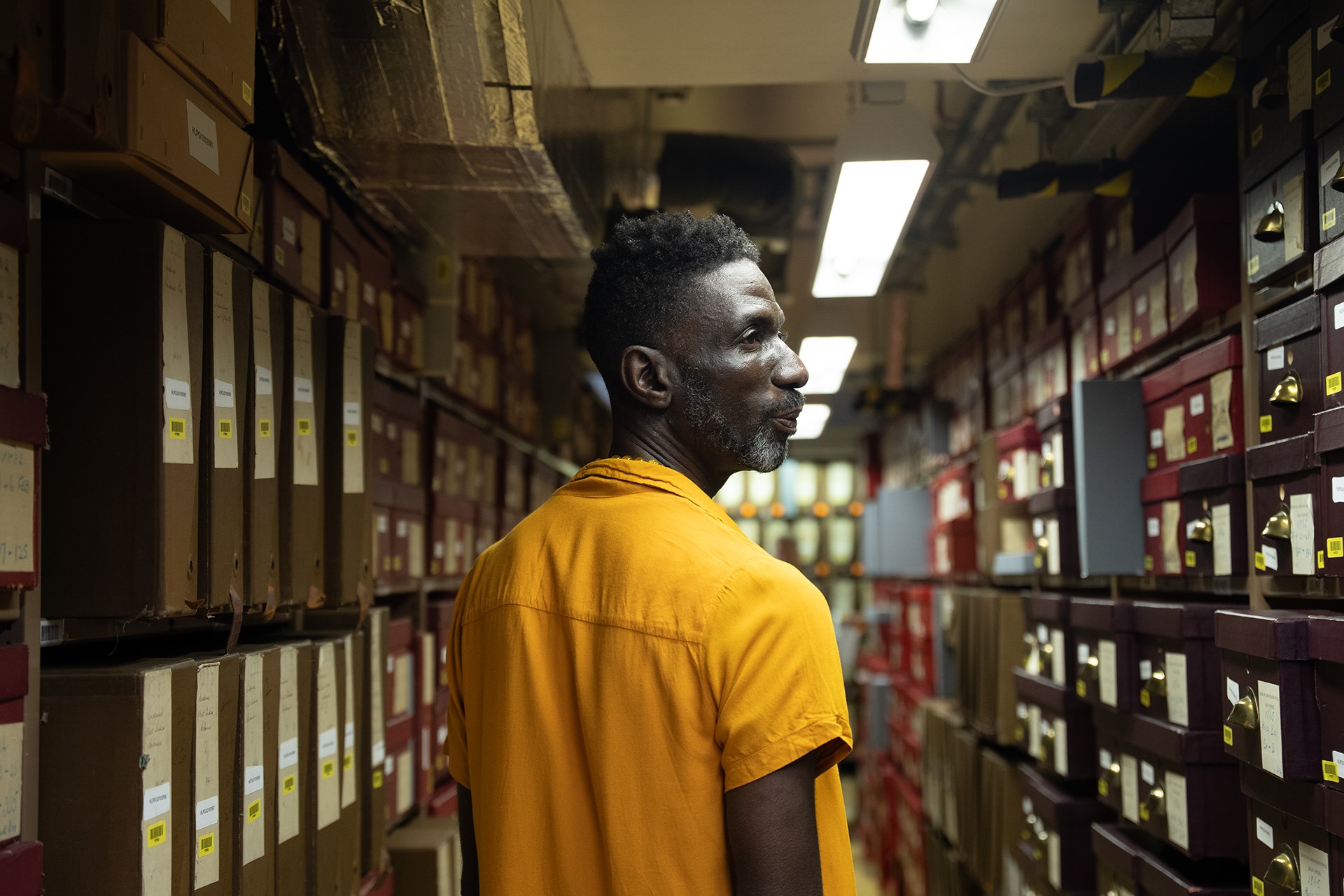
Tom Daly, in his recent documentary for the BBC, about whether countries still criminalising same-sex desire should be allowed to participate in the Commonwealth Games, went back to the 1885 Labouchere Amendment and explored the ways in which the legislation was exported to Empire. But in Lexi Powner and James Lewis’s Out Laws, history is traced back even further to Henry VIII’s buggery laws. Freidel and historian Bob Mills are taken to the Westminster archives to view the actual document on which the law is inscribed. Friedel is visibly shaken to see the origin of his own battle, which he currently fights in Namibia.
As the camera follows Freidel, Rosanna and Raven round London, with Rosanna having her hair cut at a trans-friendly barbers and Raven getting inked at a queer-friendly tattoo studio, we see their personalities emerge. They are funny, buoyant, smart, but also incredibly normal, suggesting that there could be an activist in all of us if we put our minds to it. They go shopping in Brixton market and then make their placards for the upcoming march. “Decolonise My Sexuality” is a popular proclamation.
Meanwhile, the talking heads – historians and human rights campaigners – bring the story up-to-date, explaining how evangelical Christianity financed by American money in the 1990s continued the anti-queer agenda already in parts of Africa: imperialism by another name. Often, the people in these countries don’t know that before they were colonised, same-sex relationships were often tolerated or even lauded.
The trio appears to have a good time at Pride, but when they return to their countries, they have to look out for their security again, with Friedel protected by a bodyguard the next time he returns to court. And yet, all three will continue with their campaigns. Always brave and dignified, yet they are outlaws in their countries. This documentary should be mandatory viewing.
