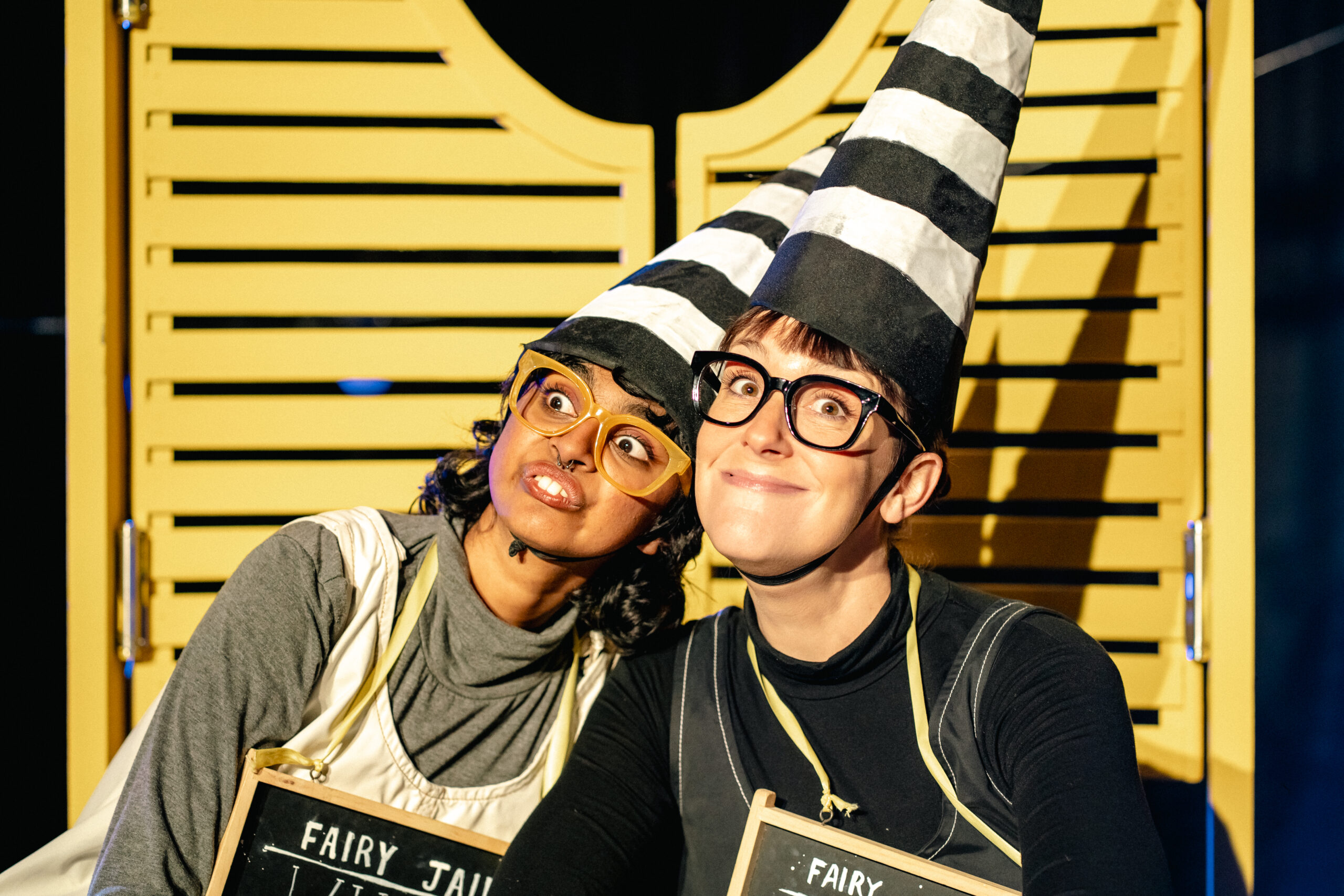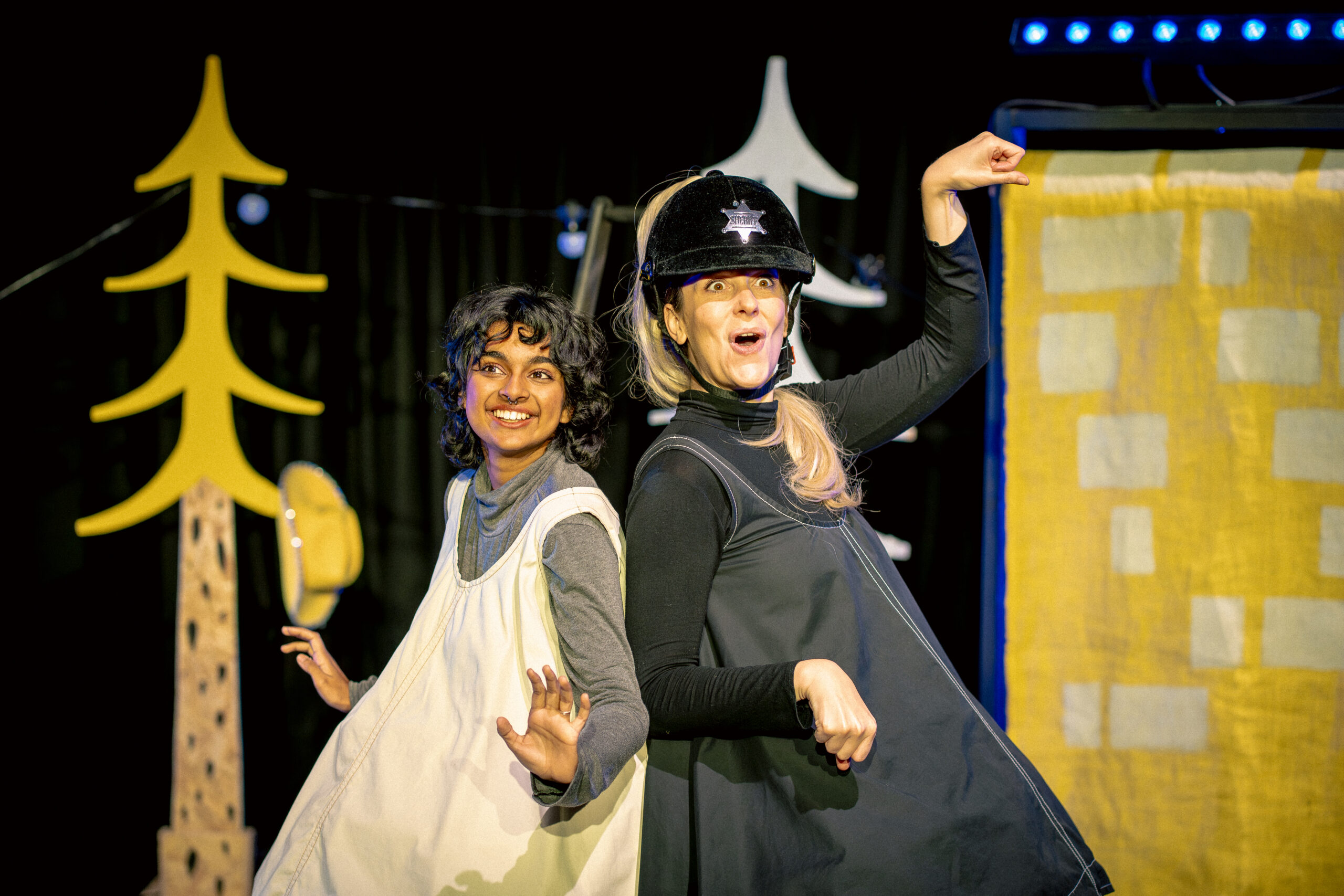
Wrongsemble is a Leeds-based theatre company that specialises in working with and creating work for young people, schools and families. They pride themselves on delivering art for everyone, with accessibility and shared experience at the heart of all they do. In 2020, they won the Child Friendly Leeds Award for ‘Inspiring Creativity through Arts and Culture’, as well as ‘Best Theatre Company’ in the Yorkshire Prestige Awards 2022. They are a resident company with Slung Low at Temple.
They are currently touring the country with their stage adaptation of Bethan Woollvin’s version of Rapunzel. We spoke to Writer and Director Elvi Piper about how she has adapted Woollvin’s picture book for the stage and about creating theatre for young people more broadly.
What makes Bethan Woollvin’s version of Rapunzel a good book to adapt for the stage?
The thing I love about Bethan’s version is that it feels anarchic, modern and feminist. It takes a story we all think we know and asks, “What if we did things a bit differently?”
Rapunzel isn’t waiting around for somebody else to solve her problems. She’s curious, determined and gets herself out of trouble. Bethan’s illustrations are brilliant too. They’re bold, funny and full of personality, which gives you loads to play with when you’re thinking about how a show might look and feel. Bethan’s work also appeals equally to both adults and children, which is what we always want to achieve with a Wrongsemble show – something everyone watching will enjoy!
How do you approach adapting a short book for the stage?
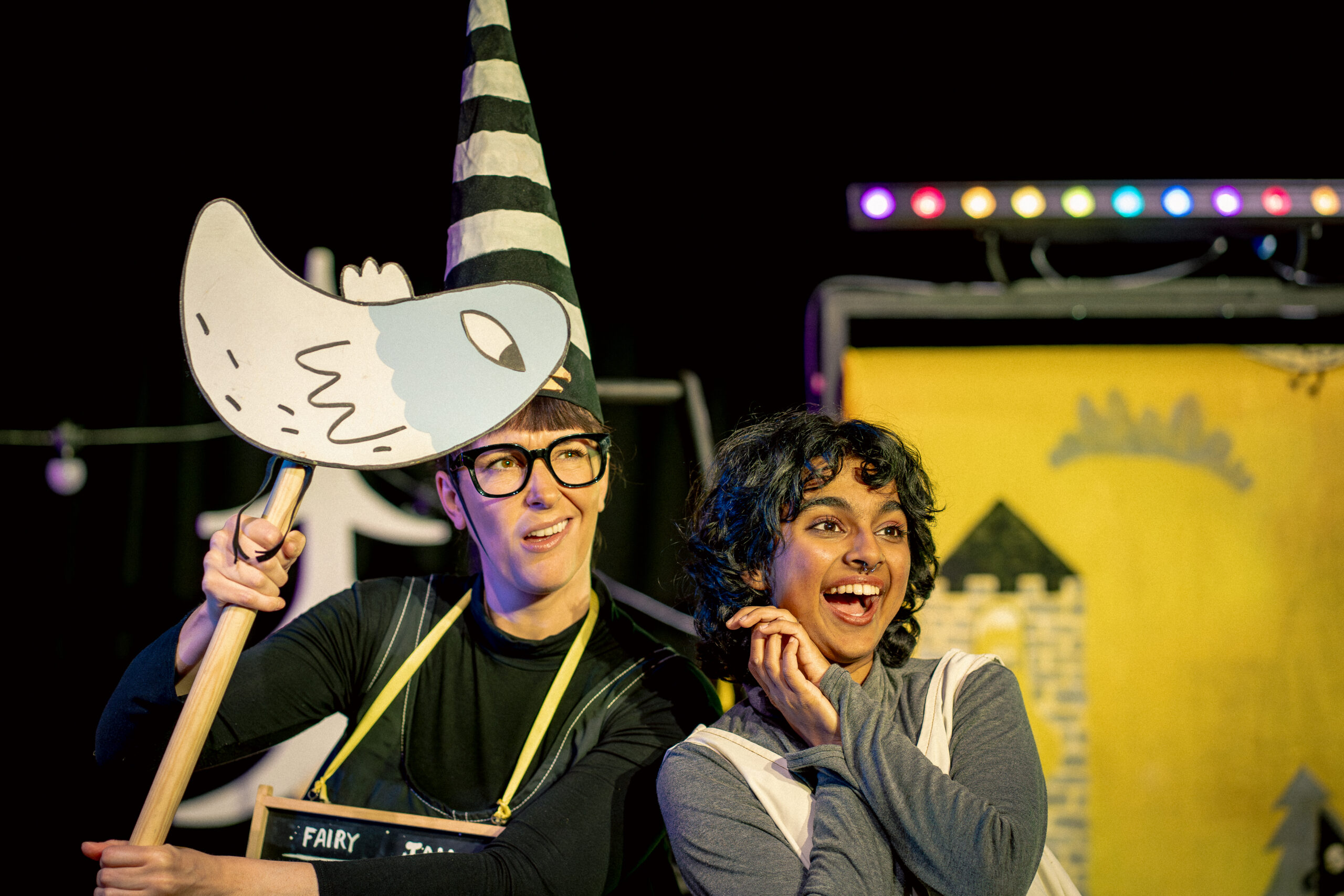
People often think a short book means there’s not much there, but it’s usually the opposite. The best picture books contain a whole world in just a few pages. We spend a lot of time asking questions, and working with Bethan to bring the story to the stage. Who are these characters when they’re not on the page? What happened before the story started? What happens next? What ideas couldn’t Bethan couldn’t fit into the book itself? In this instance it saw the addition of Prince Phopp (a useless anti-hero wandering around the forest) searching for a “damsel to rescue”, alongside two jailbird witches who narrate our tale, and a whole host of original songs which bring even more story to the narrative.
What do you think makes for high quality family theatre?
The family shows I love are the ones where everybody gets something from it. The kids are laughing at one thing, the grown-ups are laughing at another, but everyone is sharing the same experience. It’s got to be entertaining first. Nobody wants to sit through a worthy lecture. But if you can make people laugh, surprise them and maybe leave them thinking about something on the journey home, that’s a pretty lovely combination. For us, we always ensure our shows are innovative, ambitious and strive for excellence! We know we’ll be lots of peoples’ first experience of theatre, so it has to be exceptional!
Against a challenging touring backdrop, why is it important to keep taking high quality family theatre on the road?
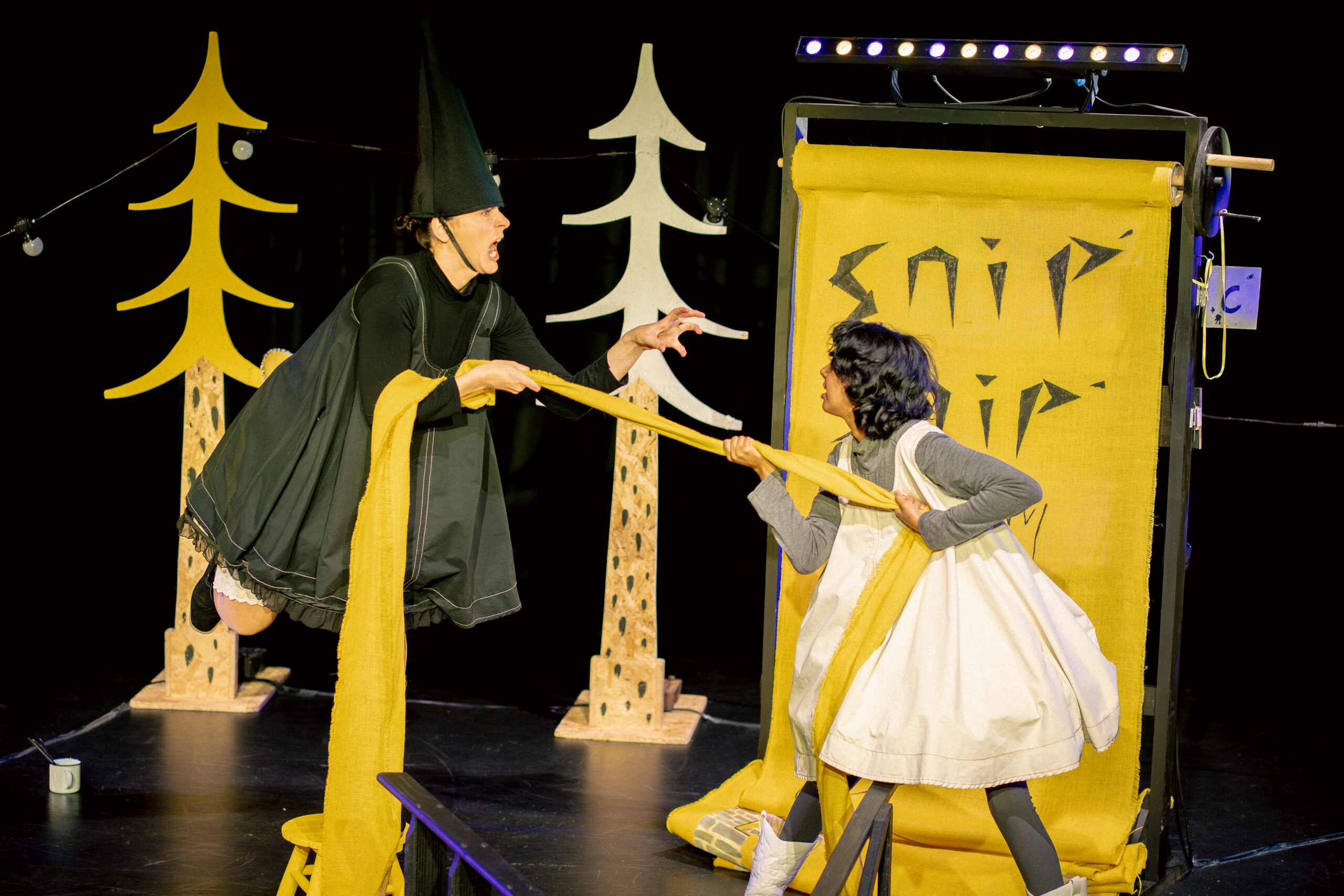
Every child deserves access to great stories and live experiences, regardless of where they happen to live. Some of the most memorable performances we’ve done have been in places where theatre doesn’t arrive every week. You can feel how excited people are to have something special happening in their community. Touring can be hard work, but it’s worth it when you see families discovering live theatre together. Those moments matter. Sometimes a visit to the theatre can spark a lifelong love of stories, creativity or the arts, and you never quite know which performance might be the one that does it. I always say to venues if we don’t nurture our youngest audience members now, there’ll be no-one to come watch the main-house Chekhov in 20 years time!
Where did your passion for creating family theatre come from?
I’ve always loved the idea of people gathering together to share a story. Some of my favourite childhood memories involve books, films and theatre experiences that sparked my imagination, and that I remember so vividly even today! Family theatre has a particular kind of magic because the audience spans generations. You get grandparents, adults of all ages, and children all experience something together. Few art forms do that quite so naturally. Also, children are wonderfully honest. If they’re enjoying themselves, you’ll know. If they’re not, you’ll definitely know. I love that.
What has been the highlight of your career so far and what are some of your aspirations for the future?
The highlights are rarely the big headline moments. They’re usually the conversations afterwards. A child telling you they loved a character. A family coming back to see another show. Someone saying they’ve never been to the theatre before and now they want to come again. Those are the things that stay with me.
As for the future, I’d love to keep making ambitious work that reaches more people. We want to continue creating shows that are imaginative, funny and full of heart, while finding new ways to surprise audiences. There’s always another story waiting to be told.
What advice would you give to young writers or directors who want to pursue a career in making family theatre?
Make things. It’s such a simple answer, but it’s true. Don’t wait for the perfect opportunity or the perfect funding application. Find people you enjoy working with and start creating. I’d also say spend time around children and young people. Listen to how they talk. Watch what captures their attention. The best family theatre comes from genuinely understanding the audience you’re making it for. And go and see as much theatre as you can. Every show teaches you something, including the ones that don’t quite work for you!