

Directors: Andrew H. Brown and Bea Wangondu
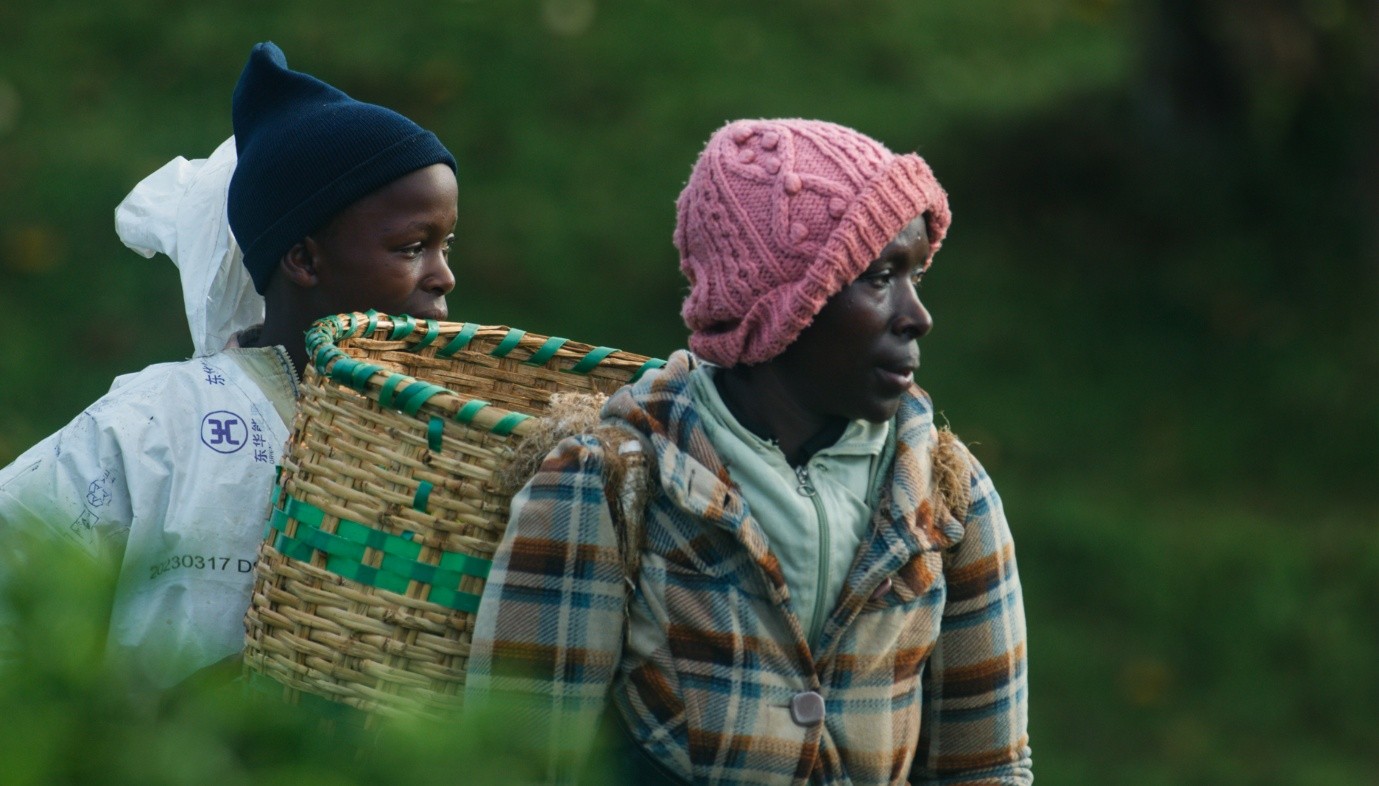
This chilling documentary will make you think twice when you next put the kettle on to make tea. Kikuyu Land exposes the hard lives of Kenyan tea-pickers who work on the plantations owned by multinational companies such as Unilever. If the footage of workers being corralled by managers wielding knives isn’t enough to sour the taste of a brew, then the level of political corruption involved in maintaining the tea business in the ex-British colony may put you off PG Tips for life, although, to keep on the right side of the law, it must be said that Unilever sold off most of its tea brands in 2022.
Andrew H. Brown and Bea Wangondu’s film begins with footage of Evelyn Baring, the colonial Governor of Kenya from 1952 to 1959, promising a good future for Kenyans in which they would be “artisans” working in agriculture or in factories. He speaks in a clipped, precise accent and pronounces the country as “Keenyah”. The East African country received its independence from Britain in 1963, but life for many Kenyans hasn’t improved.
The land, which was stolen by the British to create the vast tea plantations in the Kikuyu municipality just outside Nairobi, hasn’t been returned to its rightful owners. After independence, Kenyan middlemen stepped in and retained the land now owned by multinationals or nameless businessmen. People attempting to retrieve their ancestral land through the National Land Commission often see their claims thwarted.
One of the film’s directors, journalist Bea Wangondu, agrees to help a man claim back his family land. He has documents which prove that the land was stolen and that his family was forcibly ejected from it. And, as Wangondu asserts, a Kenyan’s identity is linked to the land that they own.
As she digs deeper into his case, and into tea plantations more generally, Wangondu discovers a world of sexual abuse and corruption. She talks to women who have been raped and assaulted by the managers who chivvy the pickers in the fields to work harder. Ominously, the managers’ big knives shine in the sunlight.
But a trip to London to try and speak to someone at Unilever’s Headquarters about the abuse results in Wangondu discovering something about her own past. Unilever refuses to meet her, but in the National Archives she spies her grandfather’s name in a document that suggests that he, too, was a middleman, refusing to return land that Unilever and other multinationals now own.
While she absorbs her own family’s incriminating secrets, a new president, William Ruto, has been elected, but it seems unlikely that he will speed up the work of the National Land Commission. Under his presidency, there is an increase in kidnappings and disappearances, and some of the victims are journalists. Wangondu is now in fear for her life.
The levels of corruption are almost too many to fit a 90-minute film, and it’s a harrowing watch when she views footage of people being bundled into cars. Such a multifaceted story can’t really gesture to a happy ending. The images of ants trapped in a bottle are perhaps overused, but it’s a useful metaphor when it’s pointed out that the worker ants labour only for their Queen.
Andrew H. Brown’s cinematography brings beauty to such a story of exploitation, and the shots of three young boys playing in the tea plantations or running over a ridge of hills at sunset are breathtaking. They look over at Nairobi and the big mansions on the city’s edge. “White men’s houses”, they surmise.
Kikuyu Land in UK cinemas from 2nd October www.kikuyulandfilm.com
