

Director: Alan Byron
This is the story of how a former casino in Wigan changed the history of music and youth culture, and on the whole Alan Byron makes a compelling case in his new documentary Northern Soul: Still Burning, a film that explores the people, the music, fashion and mostly the dancing. Interviewing DJs, attendees and the new generation of northern soul fans who have revived the scene, this may be a familiar tale to those that know it, but the importance of Wigan Casino and the emotional connection many still hold for its late 70s heyday is well conveyed.
Described by those who were there as a true subculture, Byron’s film charts the history of the casino and the culture that grew around northern soul all-nighters. Its attention divides across the 90-minute running time, looking at the music, the loose, comfortable outfits that facilitated movement in the sweaty dancehall, and the experience of taking part in weekend northern soul nights with Wigan as a focal point across a number of years in the mid to late 70s. And Byron is particularly strong on how the event peaked during this time, attracting nationwide attendance and media interest. All of this is placed in a looser context of political state-of-the-nation concerns at the time and how working-class youth responded to the music.
That proves one of the few weaknesses in the film, skirting over a general sense of deprivation, of union action in the midst of deindustrialisation, without really fleshing out the complex link between socio-economic and political experiences with the rise of the northern soul scene. And while many contributors state that this wasn’t escapism from the cliched notions of grim working class lives in the north, it was life, the juxtaposition of footage and the historical context implies that it was, and Byron could say far more about the appealing nostalgia in the music from the 1950s and 60s and its largely American production that spoke to teenagers as young as 15 in the clubs.
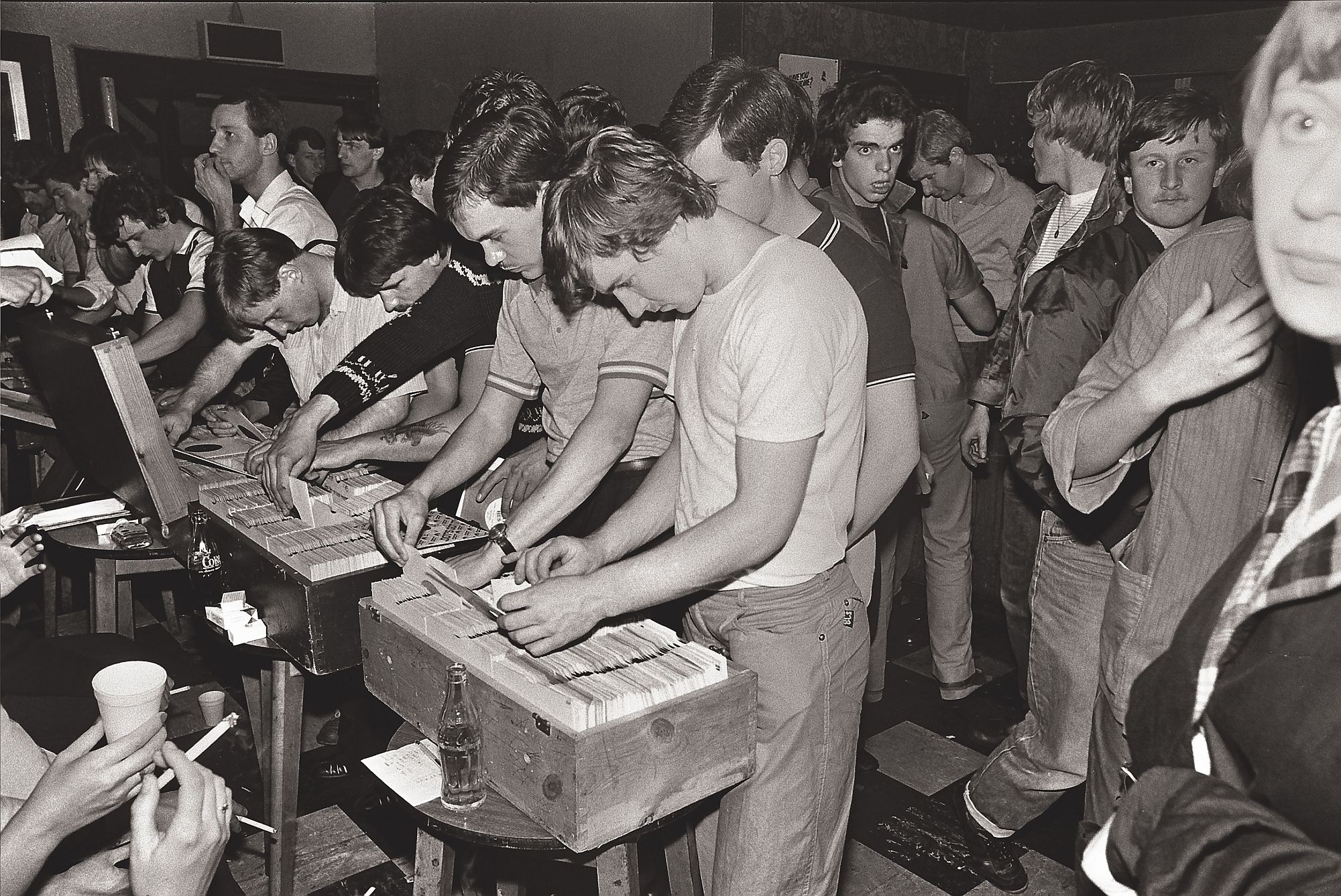
But Still Burning is very strong on the history of the scene itself, from the insightful stories of DJs having the only copy of particular records, hunting for originals and priding themselves on their unique collections – this element of competition is one of the most interesting aspects of the film alongside the records stands and sales at each night. How that sits with the love and respect for the songs and the artists is well managed, and one of Still Burning’s clearest messages is about the creation of community built around a shared connection to the northern soul sound.
As the original scene came to an end at its biggest moment, Byron interviews a fellow director tasked with capturing the world of Wigan Casino for the BBC, excerpts of which are scattered through Still Burning, and regulars note not only the inconvenience of filming but how it vastly changed the venue with an influx of new members and a marked shift in people who didn’t ‘get it.’ But while its days were numbered then, Byron’s film looks to the future, talking to the new wave of young people all over the country still dancing to northern soul, and while some of the originating generation fiercely guard their legacy, others only hope it continues to evolve and thrive.
Northern Soul: Still Burning, which will debut in UK cinemas from 15 May.
