

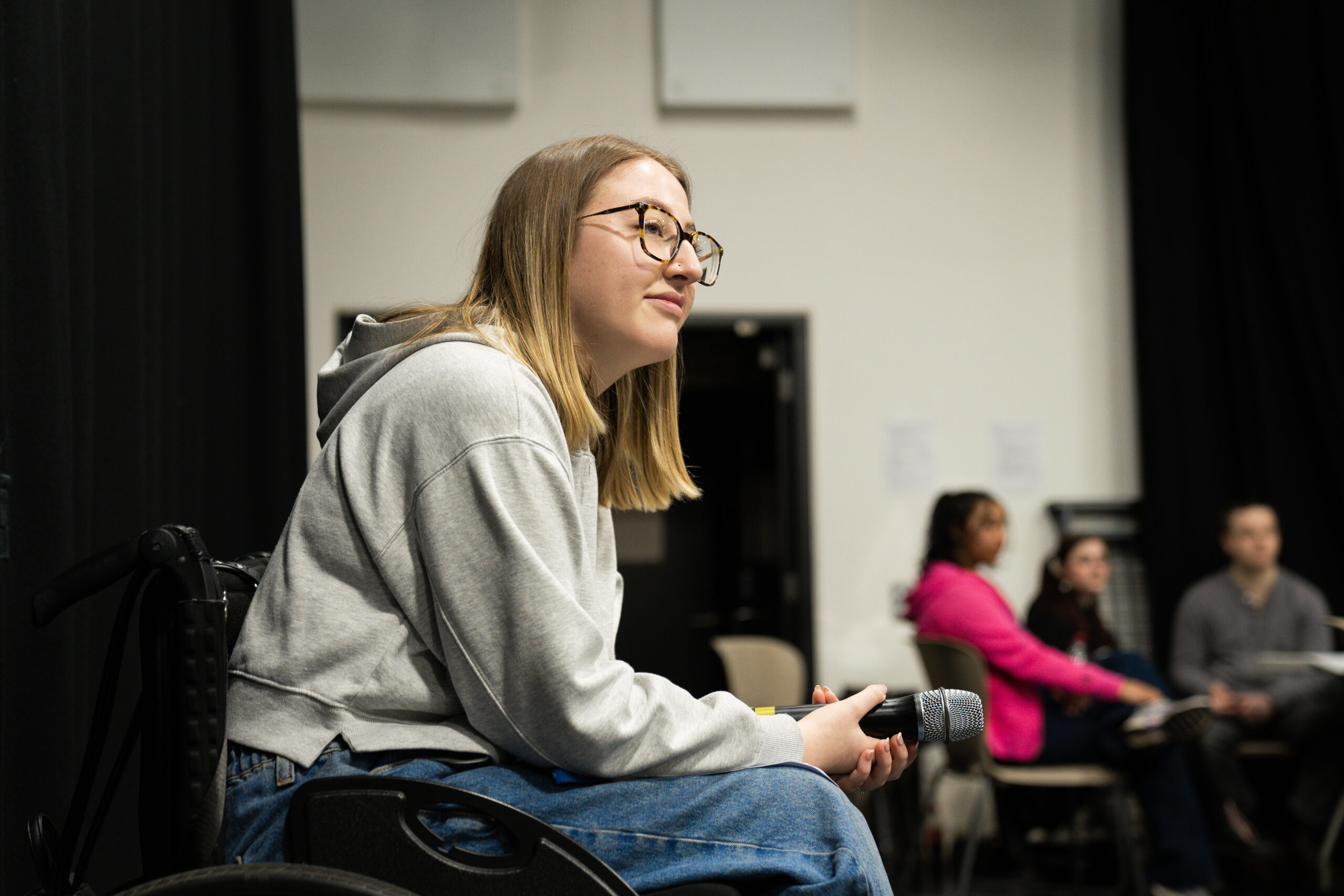
The Access Manifesto has officially launched as a pioneering movement and an urgent call to action for the UK arts sector. Developed by a coalition including 20 Stories High, Graeae Theatre Company, Liverpool Everyman & Playhouse, and LEEDS 2023, the manifesto aims to dismantle the systemic barriers that prevent Deaf, Disabled, and Neurodivergent young people from accessing cultural spaces.
This initiative grew from the lived experiences of young activists like Maisy Gordon and Ayzah Ahmed, who collaborated on the award-winning production High Times and Dirty Monsters. Recognising that many arts venues were failing to meet the needs of the disabled community, they brought together over 60 young people to collate their provocations into a practical, eight-point roadmap for change.
The manifesto advocates for fundamental shifts in the industry, starting with Open Doors for All and the creation of Welcoming Spaces that prioritise mental health and well-being. It calls for Accessible Places to become the industry standard and demands better Representation at all levels of leadership and performance. Additionally, the plan emphasises Clear Communication, the embrace of New Ideas rooted in lived experience, and a commitment to Working Together to ensure BSL visibility and accessible programming.
The scale of the issue is significant. Statistics show that while 24% of the UK population identifies as disabled, only 7% of the arts workforce does. Furthermore, disabled employees are 20% less likely to advance to senior roles. With only 25% of theatres regularly offering captioned or audio-described performances, the manifesto addresses a critical gap in the sector’s inclusivity.
Since its launch in late 2024, the movement has seen rapid success. Twenty-six major organisations, including the Tate galleries and the Almeida Theatre, have already pledged to adopt the manifesto. Leaders at the Royal Court Liverpool and other national venues have praised the document as a tangible framework that empowers even early-career producers to become agents for change.
The work continues through new projects like A Space for Us, a partnership between 20 Stories High and Tip Tray Theatre. This grassroots initiative, led by disabled and neurodiverse artists, focuses on transforming how cultural venues welcome underserved communities. As co-author Maisy Gordon notes, the community is ready for a new chapter where every young person can participate in the arts regardless of their abilities.
